Delving into the realm of Full-Suite Corporate Travel Solutions: Implementation Cost for Mid-Sized US Enterprises, this text sets the stage for an exploration filled with valuable insights and revelations.
The subsequent paragraph will delve into the specifics of the topic, shedding light on various aspects.
Overview of Full-Suite Corporate Travel Solutions
Full-suite corporate travel solutions encompass a comprehensive set of services and tools designed to streamline and manage all aspects of a company's travel program. These solutions go beyond just booking flights and hotels, offering a range of services to meet the diverse needs of businesses.
Key Components of Full-Suite Corporate Travel Solutions
- Travel Booking and Management: This includes online booking platforms, travel policy compliance tools, and expense management systems to simplify the booking process and ensure adherence to company policies.
- Travel Risk Management: Solutions for tracking and managing traveler safety and security, including real-time alerts, emergency assistance, and risk assessment tools.
- Analytical Reporting: Tools for generating detailed reports on travel expenses, savings opportunities, compliance metrics, and traveler behavior to inform decision-making and optimize travel spend.
- Supplier Negotiation and Management: Services to negotiate discounts with travel suppliers, manage vendor relationships, and track performance to secure the best rates and service for the company.
Benefits of Implementing Full-Suite Corporate Travel Solutions for Mid-Sized US Enterprises
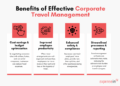
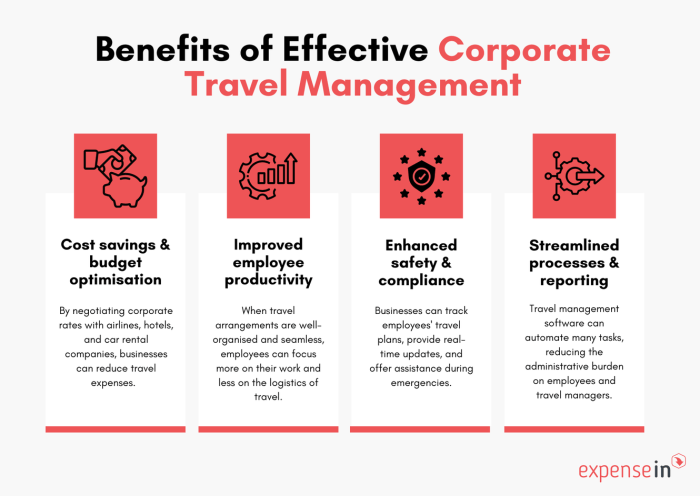
- Cost Savings: By leveraging negotiated supplier rates, optimizing travel spend, and reducing manual processes, companies can achieve significant cost savings over time.
- Efficiency and Productivity: Streamlining the travel booking process, automating expense reporting, and providing real-time data insights can improve operational efficiency and productivity for employees.
- Compliance and Control: Implementing a full-suite solution ensures that employees adhere to company travel policies, track expenses accurately, and mitigate risks, providing greater control and compliance across the organization.
- Enhanced Traveler Experience: By offering a seamless booking experience, access to 24/7 support, and personalized travel options, companies can enhance the overall traveler experience and satisfaction, leading to increased employee retention and morale.
Implementation Process for Mid-Sized US Enterprises
Implementing full-suite corporate travel solutions for mid-sized US enterprises involves several key steps to ensure a successful integration of the new system.
Assessment of Current Travel Policies and Practices
Before implementing the new corporate travel solutions, mid-sized US enterprises need to assess their current travel policies and practices. This step involves analyzing existing processes, identifying pain points, and understanding the specific needs of the organization.
Selection of Suitable Corporate Travel Solution
Once the assessment is complete, mid-sized US enterprises can then proceed to select a suitable full-suite corporate travel solution that aligns with their requirements. This may involve evaluating different vendors, considering features and pricing, and making a well-informed decision.
Customization and Integration
Customizing the chosen corporate travel solution to fit the unique needs of the mid-sized US enterprise is crucial for a successful implementation. This step may involve configuring settings, integrating with existing systems, and training employees on the new platform.
Testing and Quality Assurance
Prior to full deployment, mid-sized US enterprises should conduct thorough testing and quality assurance checks to ensure that the new corporate travel solution functions as intended. This step helps identify any potential issues or bugs that need to be addressed before launch.
Employee Training and Change Management
Providing comprehensive training to employees on how to use the new corporate travel solution is essential for a smooth transition. Additionally, mid-sized US enterprises should implement effective change management strategies to ensure employee buy-in and adoption of the new system.
Ongoing Support and Monitoring
After the implementation phase, mid-sized US enterprises should offer ongoing support to employees and continuously monitor the performance of the corporate travel solution. This allows for timely adjustments and improvements to enhance the overall travel management process.
Challenges Faced by Mid-Sized US Enterprises
During the implementation of full-suite corporate travel solutions, mid-sized US enterprises may encounter challenges such as resistance to change from employees, technical difficulties in integration, budget constraints, and ensuring compliance with industry regulations.
Cost Analysis for Implementing Full-Suite Corporate Travel Solutions
Implementing full-suite corporate travel solutions can involve various costs that mid-sized US enterprises need to consider. Let's break down the typical costs associated with this process and discuss strategies to optimize these expenses.
Comparison of Implementation Costs
When comparing the implementation costs of full-suite corporate travel solutions for mid-sized US enterprises with large and small businesses, several factors come into play. Mid-sized companies often fall in between the two extremes in terms of expenses. Large corporations may have higher implementation costs due to the scale of their operations, while small businesses may benefit from simpler solutions that require less investment.
Strategies for Cost Optimization
To optimize costs during the implementation phase, mid-sized US enterprises can consider several strategies. One approach is to conduct a thorough analysis of their current travel processes to identify areas where automation and streamlining can lead to cost savings. Negotiating with vendors for better pricing or bundled services can also help reduce expenses.
Additionally, investing in employee training to ensure efficient use of the new corporate travel solutions can maximize the return on investment.
Factors Influencing Implementation Cost
When considering the implementation cost of full-suite corporate travel solutions for mid-sized US enterprises, several key factors come into play that can influence the overall expenses.
Customization Requirements Impact
Customization requirements can have a significant impact on the overall implementation cost. Tailoring the solution to meet specific needs and integrating it with existing systems can lead to additional development and integration expenses. This can include modifying features, creating unique interfaces, and ensuring compatibility with other software used by the company.
Role of Technology Advancements
Technology advancements play a crucial role in reducing implementation costs for mid-sized US enterprises. With the evolution of cloud computing, artificial intelligence, and automation, companies can leverage these innovations to streamline the implementation process. Cloud-based solutions, for example, eliminate the need for on-premise infrastructure and reduce maintenance costs.
Automation tools can speed up deployment and reduce manual labor, ultimately lowering overall implementation expenses.
Final Review
Concluding our discussion with a captivating summary that encapsulates the essence of Full-Suite Corporate Travel Solutions: Implementation Cost for Mid-Sized US Enterprises.
Questions Often Asked
What are the common challenges mid-sized US enterprises face during the implementation of full-suite corporate travel solutions?
Mid-sized enterprises often struggle with adapting the solution to their specific needs and overcoming resistance to change among employees.
How can mid-sized US enterprises optimize costs during the implementation phase?
One way to optimize costs is by negotiating pricing with service providers and closely monitoring expenses throughout the implementation process.